Frozen and burst pipe claims: proving the heat was on

A pipe that freezes and splits in an Illinois winter is usually a covered water loss, with one condition attached. Your policy asks whether you kept the building heated, or shut the water off and drained it. I check your policy for that sentence, collect the records that answer it, and negotiate the water damage with your insurer.

Volodymyr Lukaniuk, a smiling man with short dark hair and a trimmed beard, in a dark blazer
Volodymyr LukaniukPublic adjuster IL #19461872 and IN #3556317, licensed general contractor. The consultation and the inspection are free.

How the freezing condition in a property policy is read

The pipe froze and splitWater ran into the walls, ceilings or floors below it.
Was the heat kept on?Reasonable care to keep the building warm: furnace running, thermostat set, fuel supplied.

or

Was the water shut off and drained?The supply valve closed and the lines emptied, the usual step for a house left empty.
Yes to eitherThe condition is met, and the claim is about scope and price.
No to bothThe insurer will cite the freezing exclusion.

The wording differs from one insurer to the next. A State Farm property policy in an Illinois case read "unless … you do your best to maintain heat in the building". I read your own policy before anything else.

Records that show the heat was on

"I always keep it at 65" is a statement. These are the papers and screens that back it up. Most owners can get four of them in an afternoon.

RecordWhat it showsWhere you get it

Gas or electric bill for the month of the loss

Usage in line with the same month last year. A bill that drops to almost nothing says the furnace stopped burning fuel.

Your utility account online, usually with 12 months of usage history.

Smart thermostat history

The set point and the actual indoor temperature, hour by hour, up to the day the pipe split.

The thermostat app. Take screenshots now: some apps keep only a few weeks.

Furnace or boiler service invoice

That the heating system was looked after, and when it was last checked before winter.

Your HVAC company. Ask for every visit in the last two years.

The person who checked the house

Dates someone went in, saw the heat running and found no water, if you were away.

Texts or a written note from the neighbour, relative or property manager, with dates.

The plumber's invoice and the split section of pipe

Where the pipe ran (an outside wall, a crawl space, an unheated garage) and how it failed.

Ask the plumber to describe the location in writing and to leave you the cut-out piece.

An Illinois court decided who has to prove the heat

In Wells v. State Farm Fire & Casualty Insurance Co., 2021 IL App (5th) 190460, the Appellate Court of Illinois, Fifth District, heard a frozen pipe claim on a warehouse in Marion. The policy excluded leaks from frozen plumbing

unless … you do your best to maintain heat in the building.

The facts below come from the summary of the opinion published by Clausen Miller.

  1. Before 2011The pipes had burst at least three times, and the heat pump was stolen in 2010 and never replaced, though State Farm paid for it.
  2. Feb. 2011In freezing weather the owners closed off the 400 square feet where the pipes were exposed and ran three space heaters. The pipes burst a few days later.
  3. TrialThe court found the exclusion applied and entered judgment for State Farm.
  4. AppealAffirmed. The owners, not the insurer, carry the burden of proving they did their best to keep the heat on, and their efforts were judged against what they knew about the building.

For a homeowner, the lesson is practical: the records in the ledger above are yours to produce, and a known heating problem left unfixed counts against you.

Three winter situations and the question each one raises

Where you were when the pipe froze changes what the insurer asks first.

You were home and the furnace quit

An igniter fails overnight, the house cools, a pipe in an outside kitchen wall splits by morning. You did not switch the heat off; the equipment stopped.

The insurer asks: when did the furnace stop, and what did you do once you knew? The repair invoice for the furnace answers both.

You were away for a few weeks

A trip in January, the thermostat left on, nobody inside. A power cut or an empty propane tank can stop the heat without anyone knowing.

The insurer asks: what was the thermostat set to, and did anyone check the house? Screenshots and the neighbour's texts answer it.

The house was empty

Listed for sale, between tenants, or an estate waiting for probate. Many policies add conditions for a building left vacant, and the drain-down branch matters most here.

The insurer asks: how long was it empty, and was the water shut off and the lines drained? A winterizing invoice answers it.

What I do on a frozen pipe claim

  1. I read your full policy for the freezing wording, any vacancy condition, and the water damage and mold limits.
  2. I confirm the source on site: where the pipe ran, why that spot froze, and how far the water travelled inside walls and under floors. The same moisture mapping I use on any water damage claim.
  3. I put the proof-of-heat records in order and write the timeline of the days around the freeze.
  4. I price the tear-out, drying, rebuild and contents as a licensed general contractor, then negotiate that scope with your insurer line by line.
  5. If the claim was already turned down for "no heat", I answer the denial with the records. How a turned-down claim is reopened is on my denied claim help page.

Looking at the house and reading your policy costs you nothing. When you hire me, I am paid a share of each insurance payment, at the rate written in the contract we both sign first.

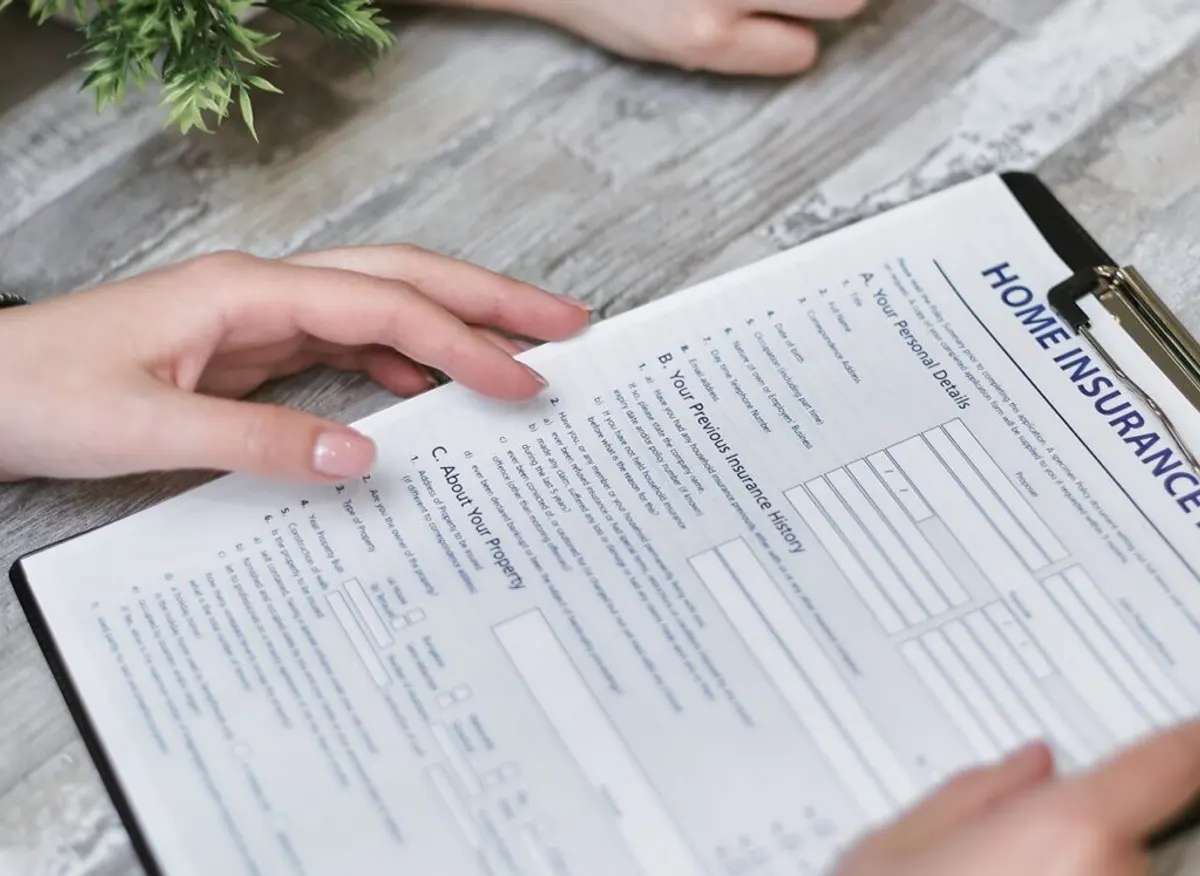
A hand with pale pink nails resting on a printed home insurance form on a clipboard, on a grey wooden table with a green plant in the corner
The freezing sentence sits in the exclusions of the policy, often pages away from the water damage coverage.

Keep these from the first day

Stop the water and start drying first. Then, before the cleanup crew clears the room:

  • A photo of the thermostat display, showing the set point and the room temperature.
  • A photo of the gas meter reading, with the date.
  • The split section of pipe, bagged and labelled.
  • Photos of every wet room before anything is removed.
  • Every invoice: plumber, water extraction, drying equipment.
+1 224-481-2095 volodymyr@staterestoration.us

Mon–Fri 7 AM–7 PM, Sat–Sun 9 AM–5 PM

Tell me about the pipe that froze

The date, where the pipe was, and whether anyone was living in the house.

I read these myself and reply by phone or email about your claim only.

Winter questions owners call me about

Will my insurer pay to replace the pipe that split?

Usually not the pipe itself. Most homeowner policies treat the failed section of plumbing as repair work, but they do pay to open the wall, ceiling or floor to reach it and to put that back, plus the water damage around it. On a pipe inside a finished wall, the access and the water damage are most of the bill.

The water came through the ceiling in February. Was it a pipe or an ice dam?

They look alike from inside and they are argued under different parts of the policy. A pipe leaks where the plumbing runs and keeps leaking until the water is shut off. An ice dam leaks at the roof edge and outside walls, and only when snow melts. I find the source before the claim is filed. The ice dam guide covers the roof side.

My claim was denied because the insurer says the heat was off. What now?

Ask for the denial in writing with the policy sentence it relies on. Then put together the records from the ledger on this page: gas usage for that month, thermostat history, furnace service, who checked the house. If they show the heat was on, the denial can be answered with evidence. My denied claim page explains how a claim is reopened.

A public adjuster works for the policyholder and is not an attorney. Your policy wording decides what is paid, and this page promises no outcome.